Flaky Croissant Dough
Highlighted under: Sugar & Whisk
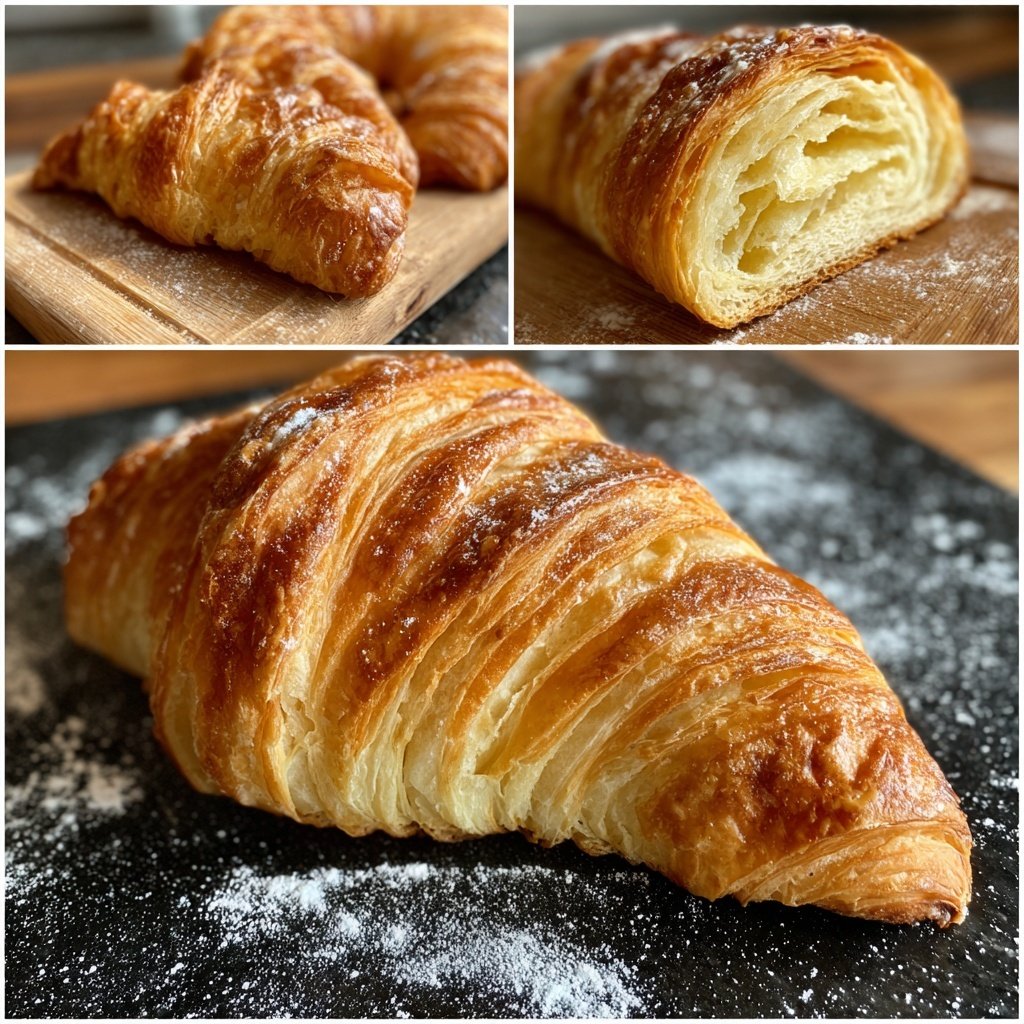
I absolutely love making flaky croissant dough at home—it’s a task that yields delightful results! The first time I tried my hand at this pastry, I was amazed by how the layers transformed into rich, buttery goodness. It may seem intimidating, but with a little patience and practice, you can create bakery-quality croissants that will impress anyone. Using quality ingredients and following the folds carefully ensures that each bite is crispy on the outside and tender on the inside. I can’t wait for you to try this recipe!
When I first started experimenting with flaky croissant dough, I was captivated by the technique of lamination. Each fold and roll created airy pockets that would puff up beautifully while baking. My kitchen soon smelled like a French patisserie! I learned that allowing the dough to rest is crucial, as it helps the gluten relax and the butter stay cold, ensuring those flaky layers.
Over time, I’ve tweaked my method by using a mix of bread and all-purpose flour for the ideal texture. My friends often ask for my secret, but it’s simply all about patience and following each step carefully. Trust me, the results are worth it!
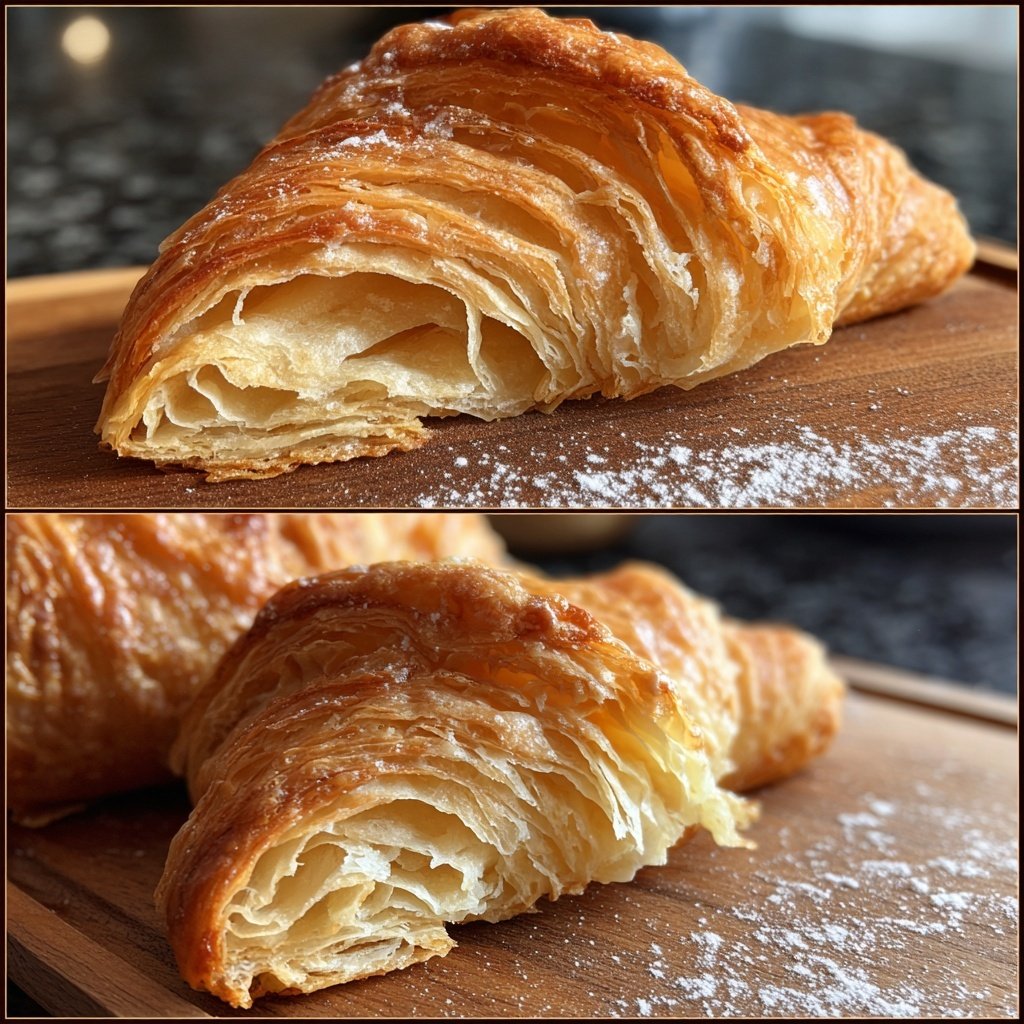
Why You'll Love This Recipe
- Layers of buttery goodness that melt in your mouth
- Perfectly flaky texture that’s satisfying to bite into
- A rewarding baking experience that's surprisingly achievable
Understanding Ingredients
The key to successful croissant dough starts with high-quality ingredients. All-purpose flour is ideal for achieving the right balance of protein for structure and tenderness. For the best results, use unbleached flour, which provides better flavor and a slightly darker color. Granulated sugar not only sweetens the dough but also contributes to browning when baked, enhancing that irresistible golden crust.
Lukewarm milk activates the yeast efficiently, promoting a good rise in the dough. If you prefer a richer flavor profile, you can substitute whole milk with buttermilk or even a non-dairy milk, such as almond or oat milk, though these may slightly alter the end texture. The role of unsalted butter is critical; it provides the delicious flavor and moisture. Ensure the butter is very cold when preparing your butter block for laminated layers.
Mastering the Technique
When preparing the butter block, the consistency is important. Aim for a uniform thickness of about 1/2 inch so it incorporates evenly into the dough. If your butter becomes too soft during the pounding process, simply chill it again before continuing. During the lamination stage, you want to roll the dough out to a 1/4-inch thickness, ensuring that the dough remains chilled to create distinct layers; this is crucial for that flaky texture.
The folding technique is equally significant. After the initial roll-out, perform a three-fold (like folding a letter) and refrigerate the dough for 30 minutes in between folds. This allows the gluten to relax and prevents tearing. After 3-4 folds, your dough will have several layers; when baked, these layers will puff up and create that sought-after flaky quality. Keep an eye on the dough and butter temperature throughout the process to maintain the structure.
Baking and Storage Tips
For baking, preheating your oven to the specified temperature of 375°F is crucial. Bake the croissants for 20 to 25 minutes or until the tops are golden brown and flaky. An internal temperature of about 190°F indicates they are fully cooked. Using a baking stone can help maintain even heat, which might yield even better results if available.
If you wish to prepare croissants ahead of time, you can freeze the shaped, unbaked croissants on a baking sheet, then transfer them to a freezer bag after they are solid. When you’re ready to bake, there's no need to thaw them; just add an additional 5-10 minutes to the baking time. Store any baked croissants in an airtight container at room temperature for up to two days or in the freezer for longer-lasting freshness.
Ingredients
Gather the following ingredients to make the perfect flaky croissant dough:
For the Dough
- 4 cups all-purpose flour
- 1/4 cup granulated sugar
- 2 teaspoons salt
- 2 1/4 teaspoons active dry yeast
- 1 1/4 cups whole milk, lukewarm
- 1 cup unsalted butter, cold
Make sure all your ingredients are fresh for the best results!
Instructions
Follow these steps to create your flaky croissant dough:
Mix the Dough
In a mixing bowl, combine the flour, sugar, salt, and yeast. Gradually add the lukewarm milk and mix until a dough forms.
Knead and Chill
Knead the dough on a floured surface for about 10 minutes until smooth. Shape it into a rectangle, wrap it in plastic wrap, and refrigerate for at least 1 hour.
Prepare the Butter Block
While the dough chills, place the cold butter between two sheets of parchment paper and pound it into a flat rectangle (about 1/2 inch thick). Refrigerate this butter block.
Laminate the Dough
Roll out the chilled dough into a larger rectangle and place the butter block in the center. Fold the dough over to encase the butter and roll it out again to create layers.
Fold and Chill
Perform a series of folds (like a letter) on the dough, chilling it in between to keep it firm. Repeat this process 3-4 times.
Shape the Croissants
Roll out the final dough and cut it into triangles. Roll from the wide end to the tip to shape the croissants.
Proof and Bake
Allow the shaped croissants to proof until doubled in size. Bake in a preheated oven at 375°F for 20-25 minutes until golden brown.
Enjoy your delicious homemade croissants fresh from the oven!
Pro Tips
- Make sure your butter is cold and use a light touch when rolling out the dough to keep the layers intact. It’s essential to maintain that cold temperature throughout the process for the best results!
Troubleshooting Common Issues
If your croissant dough is not rising properly, check the yeast. Ensure that it’s fresh and active; if you're using active dry yeast, it should bubble in lukewarm milk after about 5-10 minutes. If the dough hasn't risen sufficiently after proofing, try placing it in a warmer spot to encourage yeast activity.
A common problem when baking croissants is that the layers don’t separate as expected. This can happen if the dough was rolled too thin or not chilled adequately between folds. Always monitor the temperature of both the dough and butter during laminating to prevent compromising those crucial layers.
Serving Suggestions
Freshly baked croissants can be enjoyed as-is or filled with a variety of ingredients. Consider adding chocolate, almond paste, or ham and cheese for a gourmet touch. For a delightful breakfast, serve them alongside fresh fruit and coffee or tea. The warm, flaky pastry pairs beautifully with a spread of berry preserves or honey.
If you're feeling adventurous, you can transform your croissants into breakfast sandwiches. Layer with scrambled eggs, crispy bacon, or spreads like cream cheese and smoked salmon for a delicious brunch option. The versatility of croissant dough allows for a range of delicious breakfast or snack ideas.
Questions About Recipes
→ Can I use margarine instead of butter?
While you can use margarine, butter provides the best flavor and texture for flaky croissants.
→ How do I know when my dough has risen enough?
The dough should double in size and feel soft and airy to the touch.
→ Can I freeze the croissants?
Yes, you can freeze unbaked, shaped croissants. Just allow them to proof before baking directly from the freezer.
→ How can I store leftover croissants?
Store baked croissants in an airtight container at room temperature for up to 2 days, or freeze for longer storage.
Flaky Croissant Dough
Created by: Fiona Carter
Recipe Type: Sugar & Whisk
Skill Level: Advanced
Final Quantity: 12 croissants
What You'll Need
For the Dough
- 4 cups all-purpose flour
- 1/4 cup granulated sugar
- 2 teaspoons salt
- 2 1/4 teaspoons active dry yeast
- 1 1/4 cups whole milk, lukewarm
- 1 cup unsalted butter, cold
How-To Steps
In a mixing bowl, combine the flour, sugar, salt, and yeast. Gradually add the lukewarm milk and mix until a dough forms.
Knead the dough on a floured surface for about 10 minutes until smooth. Shape it into a rectangle, wrap it in plastic wrap, and refrigerate for at least 1 hour.
While the dough chills, place the cold butter between two sheets of parchment paper and pound it into a flat rectangle (about 1/2 inch thick). Refrigerate this butter block.
Roll out the chilled dough into a larger rectangle and place the butter block in the center. Fold the dough over to encase the butter and roll it out again to create layers.
Perform a series of folds (like a letter) on the dough, chilling it in between to keep it firm. Repeat this process 3-4 times.
Roll out the final dough and cut it into triangles. Roll from the wide end to the tip to shape the croissants.
Allow the shaped croissants to proof until doubled in size. Bake in a preheated oven at 375°F for 20-25 minutes until golden brown.
Extra Tips
- Make sure your butter is cold and use a light touch when rolling out the dough to keep the layers intact. It’s essential to maintain that cold temperature throughout the process for the best results!
Nutritional Breakdown (Per Serving)
- Calories: 220 kcal
- Total Fat: 15g
- Saturated Fat: 9g
- Cholesterol: 30mg
- Sodium: 200mg
- Total Carbohydrates: 22g
- Dietary Fiber: 1g
- Sugars: 1g
- Protein: 4g