Blood Orange Olive Oil Cake
Highlighted under: Sugar & Whisk
I absolutely love baking with olive oil, and this Blood Orange Olive Oil Cake is a perfect testament to its versatility. The bright, citrusy notes from the blood oranges infuse the cake with a lively flavor, while the olive oil keeps it moist and tender. This cake has become a staple in our home, whether for a casual family gathering or a more festive occasion. Its simple ingredients come together to create something truly special, and I can’t wait to share this delicious recipe with you.
When I first tried making this Blood Orange Olive Oil Cake, I didn't expect the olive oil to bring out such depth in flavor. It amazed me how the subtle taste of the oil combined beautifully with the vibrant blood orange zest, creating a unique cake experience. The moistness of the cake is truly what sets it apart, and I learned that using high-quality olive oil makes all the difference in both flavor and texture.
Baking this cake also taught me the importance of choosing seasonal fruits. Blood oranges are at their peak in winter, which not only boosts the flavor but also adds a stunning color to the cake. I now look forward to making this whenever blood oranges are available—I promise, you won’t regret trying this recipe!
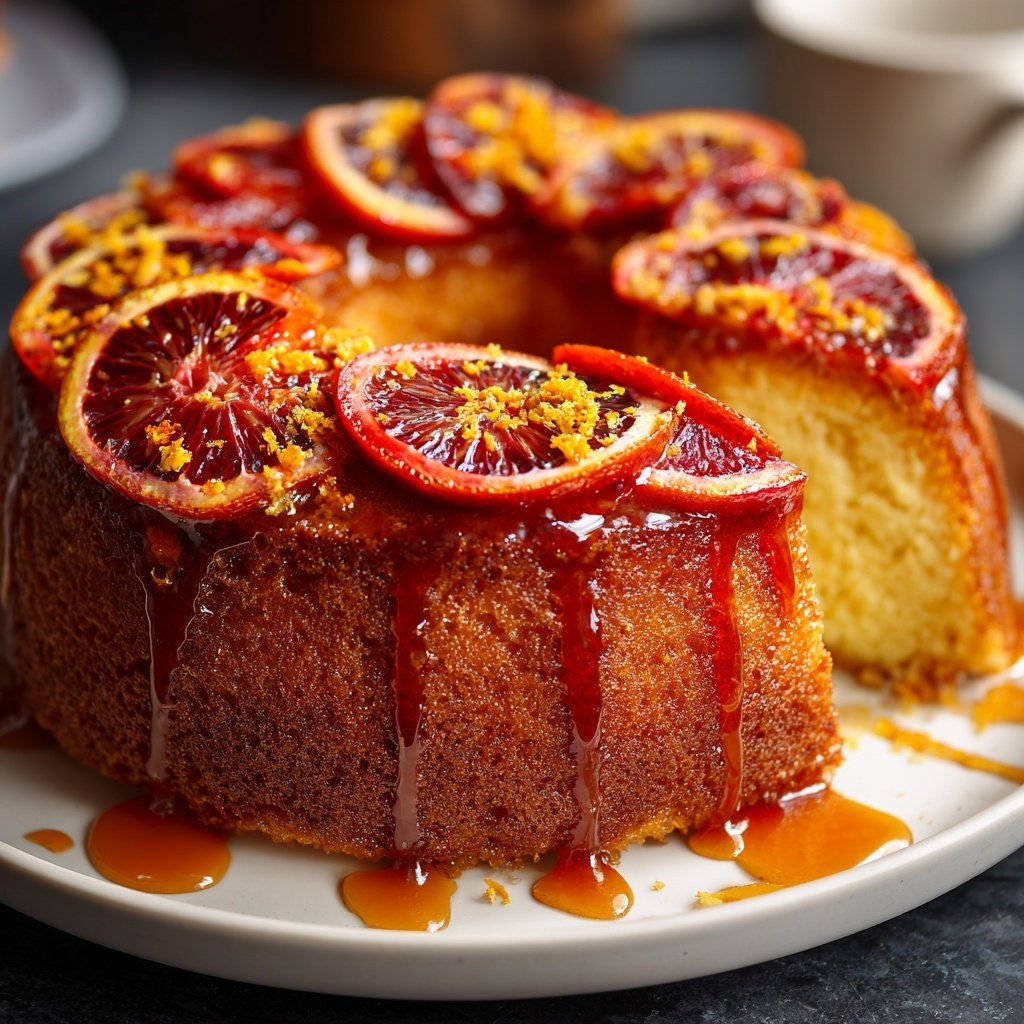
Why You'll Love This Recipe
- Vibrant blood orange flavor with a hint of earthiness from olive oil
- Moist and tender crumb, perfect for any occasion
- Quick and simple to prepare, making it a go-to dessert
Understanding Olive Oil in Baking
When it comes to baking, olive oil is not just a healthier fat alternative; it also contributes a unique flavor profile that can elevate your desserts. In this Blood Orange Olive Oil Cake, the olive oil adds a subtle richness that pairs beautifully with the sharp, sweet notes of blood orange. I recommend using a high-quality extra virgin olive oil for the best taste, as its fresh, fruity characteristics will make a noticeable difference in the final cake.
One of the key benefits of incorporating olive oil into your baking is its ability to create a tender crumb. This is due to the monounsaturated fats in olive oil, which help retain moisture during the baking process. If you’ve ever had a cake that dried out quickly, it likely lacked sufficient fat. In contrast, this cake stays moist for several days, making it a perfect make-ahead dessert for gatherings.
The Role of Blood Oranges
Blood oranges offer not just a stunning color but also a distinctive flavor that differs from conventional oranges. Their unique profile combines sweetness with a hint of raspberry, which adds depth to the cake. When preparing your ingredients, look for blood oranges that are firm to the touch and heavy for their size to ensure they're juicy and ripe. Zesting before juicing can also enhance the flavor infusion during baking, as the essential oils in the zest contribute aromatic qualities.
Blood oranges are typically in season during winter and early spring, so keep that in mind when planning to bake this cake. If you can't find fresh blood oranges, you can substitute them with regular oranges or tangerines, though the distinct color and slight tartness may be toned down. For a deeper flavor, consider adding a small amount of pomegranate juice to the mix, which mimics the rich hue and adds fruity acidity.
Ingredients
Gather these ingredients before you start baking:
Ingredients
- 1 cup blood orange juice
- Zest of 2 blood oranges
- 1 cup granulated sugar
- 3/4 cup olive oil
- 3 large eggs
- 1 1/2 cups all-purpose flour
- 2 teaspoons baking powder
- 1/2 teaspoon salt
Ensure everything is at room temperature for the best results.
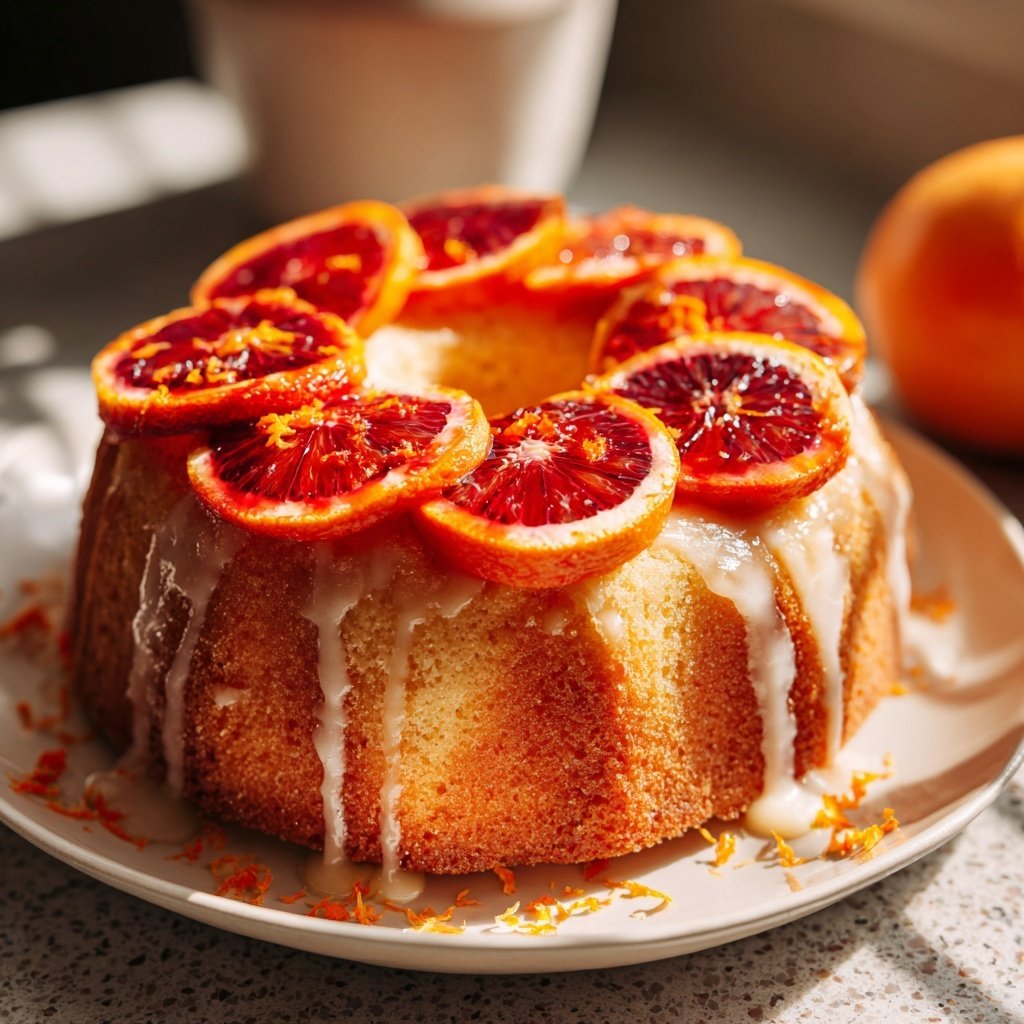
Instructions
Follow these steps to create your Blood Orange Olive Oil Cake:
Preheat the Oven
Preheat your oven to 350°F (175°C) and grease a 9-inch round cake pan.
Mix Wet Ingredients
In a large mixing bowl, whisk together the blood orange juice, blood orange zest, sugar, and olive oil until fully combined. Add in the eggs one at a time, mixing well after each addition.
Combine Dry Ingredients
In a separate bowl, whisk together the flour, baking powder, and salt.
Combine Everything
Gradually add the dry ingredients to the wet mixture, stirring just until no flour streaks remain.
Bake the Cake
Pour the batter into the prepared cake pan. Bake for 40–45 minutes, or until a toothpick inserted in the center comes out clean.
Cool and Serve
Let the cake cool in the pan for 10 minutes, then turn it out onto a wire rack to cool completely before serving.
Enjoy your slice of cake with a cup of tea or coffee!
Pro Tips
- For extra flavor, consider adding a dash of almond extract to the batter.
Storage and Serving Suggestions
This Blood Orange Olive Oil Cake can be stored at room temperature, covered with a cake dome, for up to four days. If you prefer, you can refrigerate it, but it might lose some of its tender texture. To freeze, wrap individual slices in plastic wrap and store them in an airtight container for up to three months. This way, you can enjoy a slice whenever you crave a burst of citrus flavor!
For serving, a light dusting of powdered sugar on top enhances the cake's appearance and sweetness without overshadowing its bright, citrusy notes. You might also consider pairing it with a dollop of lightly whipped cream or a scoop of vanilla ice cream. Adding a few fresh blood orange segments around the plate can create an appealing presentation that celebrates the flavors in the cake.
Troubleshooting Tips
If your cake domes too much in the center, this could indicate it was baked at too high a temperature or for too long; always ensure your oven is calibrated correctly. A good visual cue is to check for a golden-brown edge while the center remains slightly soft. This will yield a perfectly baked cake that doesn't overcook.
Overmixing the batter can lead to a dense cake, so incorporate the dry ingredients gently until just combined. If you notice any lumps from the flour, you can stir those out carefully, but don’t worry about getting everything perfectly smooth. The main goal is to avoid overworking the gluten, which can toughen the crumb.
Questions About Recipes
→ Can I substitute the blood oranges with regular oranges?
Yes, you can use regular oranges or any citrus fruit, though the flavor will be different.
→ How should I store the leftover cake?
Store the cake in an airtight container at room temperature for up to 3 days or refrigerate for up to a week.
→ Can this cake be made ahead of time?
Absolutely! You can make this cake a day in advance; it tastes even better the next day.
→ Is it possible to freeze this cake?
Yes, you can freeze the cake. Wrap it tightly in plastic wrap and then in foil, and it will keep for up to 3 months.
Blood Orange Olive Oil Cake
Created by: Fiona Carter
Recipe Type: Sugar & Whisk
Skill Level: Beginner
Final Quantity: 8 servings
What You'll Need
Ingredients
- 1 cup blood orange juice
- Zest of 2 blood oranges
- 1 cup granulated sugar
- 3/4 cup olive oil
- 3 large eggs
- 1 1/2 cups all-purpose flour
- 2 teaspoons baking powder
- 1/2 teaspoon salt
How-To Steps
Preheat your oven to 350°F (175°C) and grease a 9-inch round cake pan.
In a large mixing bowl, whisk together the blood orange juice, blood orange zest, sugar, and olive oil until fully combined. Add in the eggs one at a time, mixing well after each addition.
In a separate bowl, whisk together the flour, baking powder, and salt.
Gradually add the dry ingredients to the wet mixture, stirring just until no flour streaks remain.
Pour the batter into the prepared cake pan. Bake for 40–45 minutes, or until a toothpick inserted in the center comes out clean.
Let the cake cool in the pan for 10 minutes, then turn it out onto a wire rack to cool completely before serving.
Extra Tips
- For extra flavor, consider adding a dash of almond extract to the batter.
Nutritional Breakdown (Per Serving)
- Calories: 380 kcal
- Total Fat: 26g
- Saturated Fat: 15g
- Cholesterol: 195mg
- Sodium: 85mg
- Total Carbohydrates: 32g
- Dietary Fiber: 3g
- Sugars: 24g
- Protein: 6g